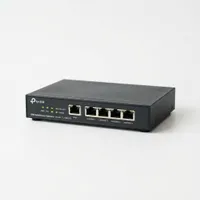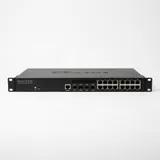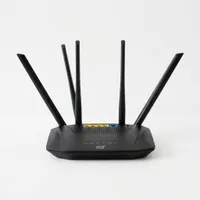
TP-Link AX55
Archer
AX55
Firmware 1.2.0+
57 router models across 9 vendor families, each independently verified by the editorial team. Filter by vendor, search by model number, and check the minimum firmware that ships WireGuard support.
Compatibility reflects whether the device's stock firmware ships WireGuard or supports loading it as a kernel module or package. Older firmware revisions may require a one-time vendor update before MeshWG can configure the mesh. If a router currently in your branch estate is not listed, the most likely reason is firmware vintage — reach hello@meshwg.com with the exact model and firmware version, and the editorial team will confirm. Additional models are added to this list as the team verifies vendor documentation.
The reason MeshWG operates across this breadth of hardware is that it does not depend on any vendor's proprietary tunnel protocol. The encrypted layer is standard WireGuard — the same protocol every router on this page implements natively. What MeshWG provides is the coordination layer above the protocol: keypair distribution, peer state, policy enforcement, and the dashboard that turns dozens of individual router configurations into a single navigable mesh.
The result for an organisation evaluating mesh VPN is a materially simpler decision. Existing branches with TP-Link ER605 gateways slot in as easily as branches running MikroTik RB5009, Ubiquiti UDM, or GL.iNet Flint 2. New branches can standardise on whichever vendor procurement prefers without changing the broader network architecture. Hardware refresh cycles run independently of mesh-platform decisions.
WireGuard is not a MeshWG-specific protocol. It is the modern encrypted-tunnel standard adopted by every major router vendor, built into the Linux kernel since 2020, and supported by every mainstream operating system. Organisations that standardise their private networking on WireGuard preserve the freedom to switch coordination platforms later without changing their router fleet, and to introduce additional WireGuard-speaking tools alongside MeshWG when specific use cases call for them.
That architectural openness is a deliberate choice — proprietary VPN protocols deliver short-term lock-in benefits to vendors but accumulate cost as the organisation grows. The 57 models on this list represent infrastructure investments that remain portable, durable, and aligned with where the broader private-networking industry is headed.
Most routers with firmware from late 2022 onwards support WireGuard either natively in the stock firmware or as an installable package. TP-Link Archer AX-series, MikroTik RouterOS 7+, Ubiquiti UDM with UniFi OS 3.0+, current Asus ASUSWRT, GL.iNet OpenWrt-based devices, Synology SRM 1.3+, and OPNsense/pfSense appliances all ship WireGuard support. The list on this page covers the 57 models the editorial team has independently verified. If a specific model is missing, the most likely reason is firmware vintage rather than hardware incapability.
Each model on this page is annotated with its minimum firmware. As a general rule: TP-Link Archer needs Firmware 1.2.0 or later (2022+ releases). MikroTik needs RouterOS 7.0 or later. Ubiquiti UDM needs UniFi OS 3.0 or later. EdgeRouter requires the wireguard package install on EdgeOS 2.0+. Asus needs ASUSWRT 3.0.0.4.388 or later (mid-2023 releases). Synology needs SRM 1.3 or later. Most routers update firmware in a few clicks from the admin interface.
MeshWG generates the wg-quick configuration block for each machine added to your mesh; the configuration is pasted into your router's WireGuard section once and never needs revisiting. The MeshWG control plane handles key distribution, peer state, and policy enforcement — your router handles the encrypted tunnel itself. Total per-router setup time on a typical SMB gateway is under two minutes.
Two likely explanations: the model is supported but pending verification by the editorial team and will be added in a future revision of this list, or the model's firmware predates WireGuard support and would benefit from a vendor firmware update. Either way, the fastest path is to email hello@meshwg.com with the exact model number and the firmware version currently installed — the team will confirm compatibility within one business day.
MeshWG is built specifically on WireGuard, so the underlying device needs to speak WireGuard. For older routers without WireGuard support, three paths are typical: upgrade the firmware if a newer version with WireGuard is available, flash an OpenWrt build that includes WireGuard, or install a small gateway device (the TP-Link ER605 at around ₹6,500 is the common reference) and place it in front of the existing router as the WireGuard endpoint.
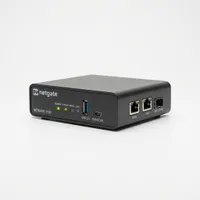
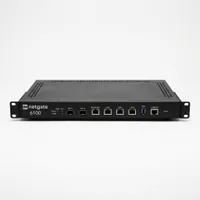
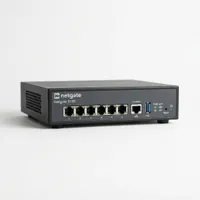
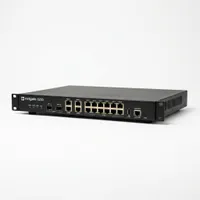
Yes. The MikroTik CCR2004 and CCR2116 carrier-class routers, the TP-Link ER8411 rack-mount SafeStream gateway, the Ubiquiti UDM Pro Max, and the Netgate 6100 / 8200 pfSense Plus appliances are all on the list. For organisations operating at enterprise scale with dedicated network operations teams, these models support full mesh-VPN deployments alongside their other duties.